CategoriesPharmacy

How to Choose the Right Headache Medicine for Your Needs

How to Choose the Right Headache Medicine for Your Needs

Not all headaches are the same, and choosing the right medication requires understanding your headache type and available treatment options.

Types of Headaches

Tension Headaches: Most common, characterized by pressure and tightness – Often triggered by stress, Mild to moderate pain, Respond well to rest and OTC analgesics

Migraines: Severe, throbbing pain, often one-sided – May include nausea, sensitivity to light/sound, Require specialized treatment, Can be debilitating without proper medication

Cluster Headaches: Severe, sharp pain around eye area – Occur in clusters over weeks or months, Require prescription medication, Less common but extremely painful

Sinus Headaches: Pain in forehead, cheeks, or bridge of nose – Associated with sinus congestion, Treat underlying sinus condition

Over-the-Counter Options

Ibuprofen (Advil, Motrin): Anti-inflammatory action, Effective for most headache types, May work better than acetaminophen for migraines

Acetaminophen (Tylenol): Gentle on stomach, Good for people who can’t take NSAIDs, Less anti-inflammatory effect

Naproxen (Aleve): Long-lasting pain relief, Anti-inflammatory, Takes longer to work than ibuprofen

Combination Products: Add caffeine to enhance pain relief, Include antacids for stomach protection

Prescription Options

Triptans: Specifically designed for migraines – Effective migraine treatment, Various delivery methods available, Most effective when taken early

Ergot Derivatives: For severe migraines – More effective with caffeine, Multiple delivery options

Preventive Medications: Propranolol (beta-blocker), Topiramate (anticonvulsant), Amitriptyline (antidepressant), Botox injections for chronic migraines

Choosing the Right Medication

  1. Identify Your Headache Type: Different headaches respond differently to medications
  2. Consider Frequency: Occasional vs. chronic headaches need different approaches
  3. Evaluate Triggers: Understanding causes helps prevent and treat effectively
  4. Try Preventive Strategies First: Stress management, sleep, hydration, exercise
  5. Start with Lowest Effective Dose: Minimize side effects and dependence risks
  6. Monitor Effectiveness: Keep a headache diary to track what works
  7. Avoid Medication Overuse: Taking pain relievers more than 10-15 days monthly can cause rebound headaches

When to Seek Professional Help

  • Sudden severe headache different from usual pattern
  • Headaches with fever, stiff neck, or vision changes
  • Frequent headaches requiring daily medication
  • Inability to manage with OTC options
  • Headaches disrupting daily activities

Non-Medication Approaches

  • Apply heat or cold compress
  • Rest in dark, quiet environment
  • Progressive muscle relaxation
  • Adequate sleep and hydration
  • Regular exercise
  • Stress management techniques
  • Caffeine moderation
  • Regular meals

Professional Evaluation Benefits

A healthcare provider can: Accurately diagnose headache type, Rule out serious underlying conditions, Prescribe appropriate preventive medication, Provide specialized treatments like Botox, Develop comprehensive management plans
CategoriesMedical Writing

11 Creative Ways to Write About Medication: For Patients and Professionals

11 Creative Ways to Write About Medication: For Patients and Professionals

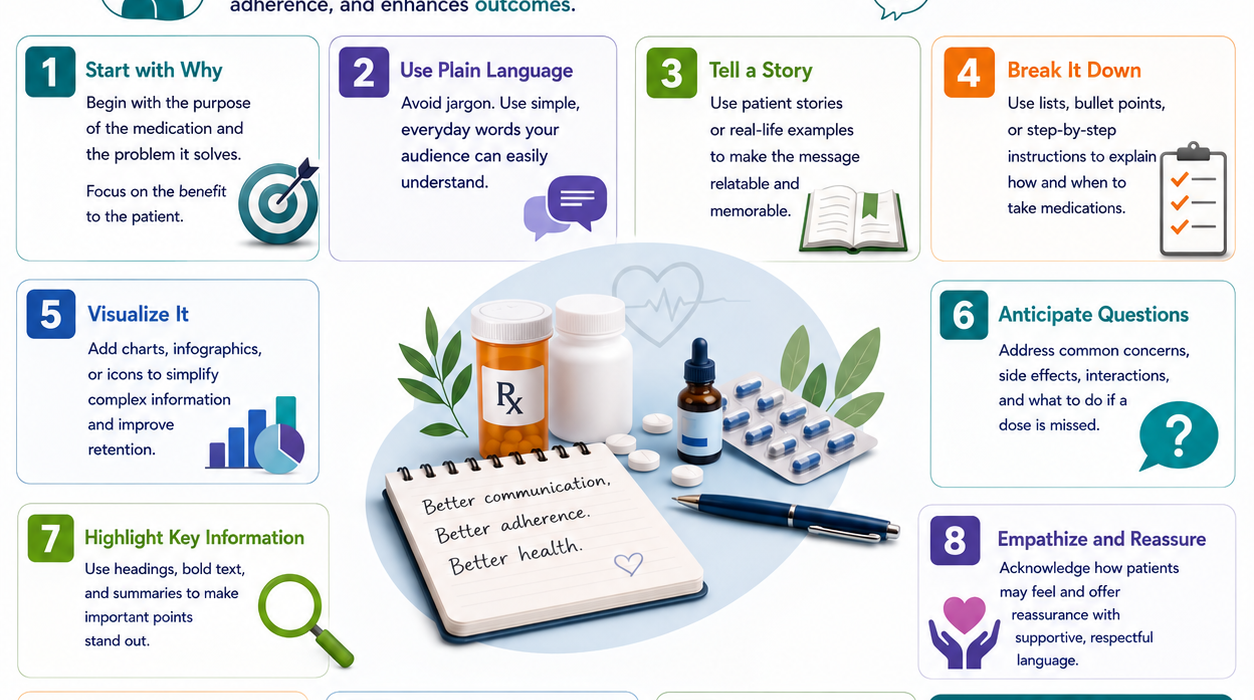
Effective medication communication requires creative approaches that help patients understand complex information clearly while maintaining accuracy and professionalism.

1. Use Analogies and Comparisons

Compare medications to familiar concepts. For example, explain antibiotics as soldiers fighting bacterial invaders in your body.

2. Tell Patient Stories

Share anonymized patient experiences and outcomes. Real stories illustrate how medications improve lives and help others relate to the information.

3. Create Visual Infographics

Use diagrams, flowcharts, and graphics to explain medication mechanisms, dosing schedules, and side effects in easily digestible formats.

4. Develop Interactive Checklists

Create practical checklists for medication management, potential side effects to watch for, and questions to ask healthcare providers.

5. Use Question-and-Answer Format

Structure information as FAQs addressing common patient concerns and misconceptions about specific medications.

6. Employ Timeline Visualizations

Show how medications work over time, when to expect results, and what the healing timeline looks like for particular conditions.

7. Create Comparison Charts

Compare different medication options, including effectiveness, side effects, cost, and administration methods side-by-side.

8. Use Metaphors and Storytelling

Frame medication effects through narrative and metaphor to make complex pharmacology more relatable and memorable.

9. Develop Symptom-Based Guides

Organize medication information by symptoms rather than medical terms, helping patients find relevant information quickly.

10. Create Practical Worksheets

Develop downloadable worksheets for medication tracking, symptom journaling, and communication with healthcare providers.

11. Use Testimonial Videos and Audio

Incorporate patient testimonials, expert interviews, and educational videos explaining medication use and benefits.

Tips for Effective Medical Writing

  • Avoid medical jargon or explain terms clearly
  • Use active voice
  • Break information into manageable sections
  • Include practical examples
  • Always cite credible sources
  • Update information regularly
  • Make content accessible (large fonts, clear language)
CategoriesHealth Conditions

Signs of Potassium Deficiency: Recognize and Treat Hypokalemia

Signs of Potassium Deficiency: Recognize and Treat Hypokalemia

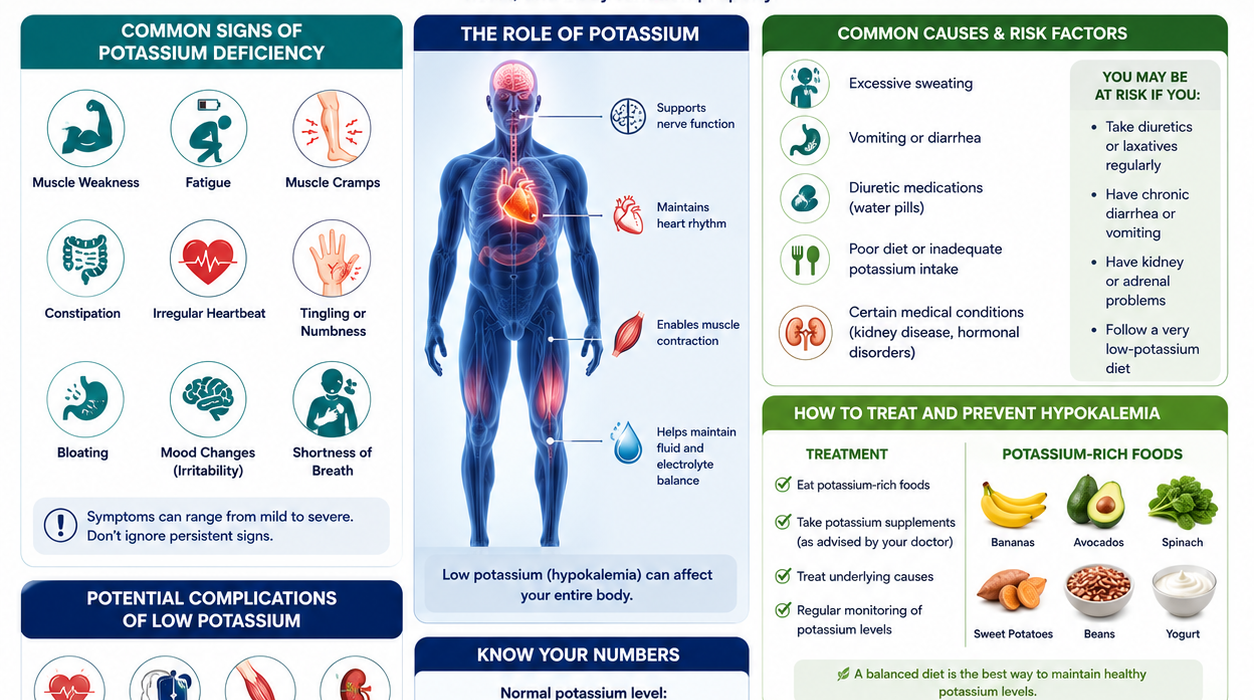
Potassium is an essential mineral that regulates heart rhythm, muscle function, and fluid balance. Deficiency can cause serious health complications if left untreated.

Warning Signs of Low Potassium

Muscle Symptoms: Muscle weakness and fatigue, Cramping in legs and feet, Muscle twitching or spasms, Difficulty with physical activity

Cardiac Symptoms: Irregular heartbeat (palpitations), Chest pain or discomfort, Shortness of breath, Fainting spells

Digestive Symptoms: Constipation, Nausea and vomiting, Abdominal cramping, Loss of appetite

Other Symptoms: Fatigue and weakness, Mood changes, Difficulty concentrating, Increased thirst and urination

Risk Factors for Deficiency

Medications: Diuretics (water pills), Certain antibiotics, Corticosteroids

Conditions: Chronic diarrhea or vomiting, Kidney disease, Insulin-dependent diabetes, Eating disorders

Dietary Factors: Inadequate vegetable and fruit intake, High sodium diet, Excessive alcohol consumption

Normal Potassium Levels

Healthy blood potassium levels range from 3.5-5.0 mEq/L. Levels below 3.5 indicate deficiency.

Foods Rich in Potassium

  • Bananas and avocados
  • Spinach and other leafy greens
  • Sweet potatoes
  • Beans and legumes
  • Tomatoes and tomato products
  • Fish like salmon and tuna
  • Nuts and seeds
  • Dairy products

Treatment Options

Dietary Increase: Most effective for mild deficiency

Supplements: For moderate deficiency (consult doctor first)

IV Administration: For severe or urgent deficiency in hospital settings

Importance of Medical Supervision

Never self-treat potassium deficiency without doctor guidance. Too much potassium is equally dangerous (hyperkalemia). Proper testing and monitoring are essential.

CategoriesHealth Conditions

Why Nasal Congestion Treatment Should Not Be Subjective

Why Nasal Congestion Treatment Should Not Be Subjective

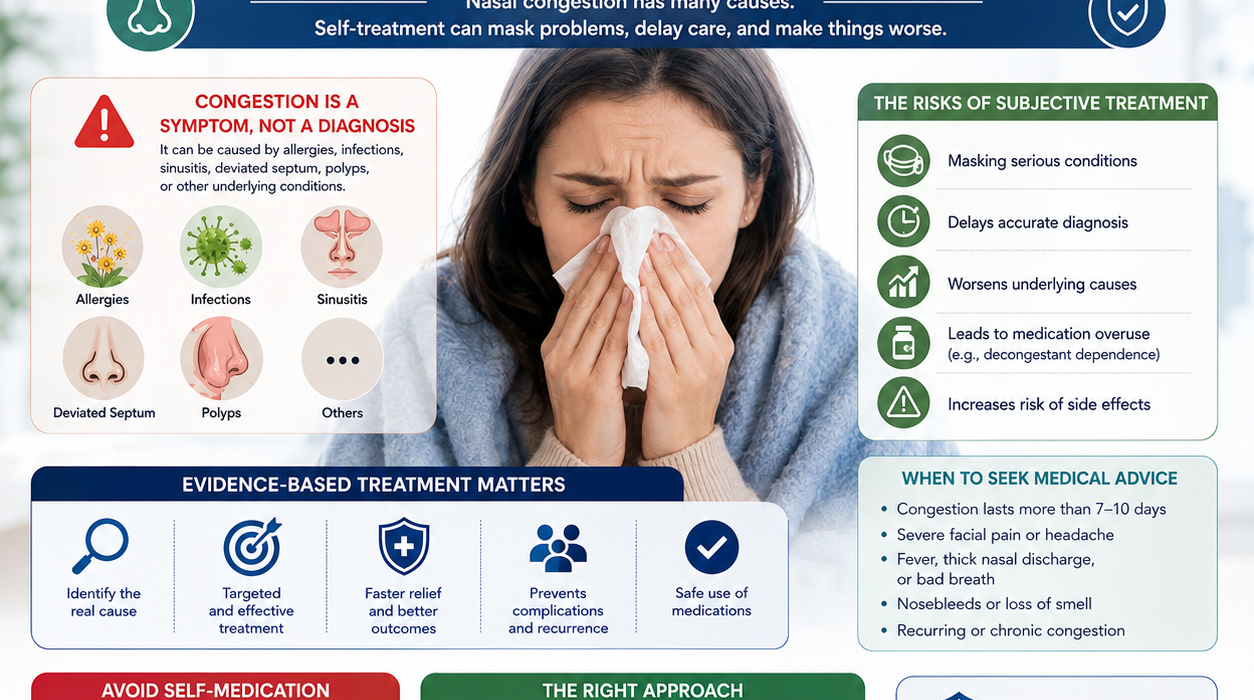
Nasal congestion is uncomfortable and common, but treating it effectively requires understanding objective medical criteria rather than relying solely on subjective feelings.

Understanding Nasal Congestion

Nasal congestion occurs when nasal tissues become inflamed and swollen, restricting airflow. While the discomfort is subjective, the underlying causes are objective medical conditions.

Common Causes

  • Viral Infections: Common cold, flu, COVID-19
  • Allergies: Environmental or seasonal allergies
  • Sinusitis: Bacterial or viral sinus infection
  • Structural Issues: Deviated septum, nasal polyps
  • Environmental Factors: Air pollution, dry air, irritants
  • Medication Side Effects: Some drugs cause nasal congestion

Objective Assessment Methods

  • Nasal Endoscopy: Allows visualization of nasal passages
  • CT Scans: Reveals structural issues and sinus problems
  • Allergy Testing: Identifies specific allergen triggers
  • Cultures: Detect bacterial infections

Treatment Approaches Based on Diagnosis

For Viral Infections: Saline rinses, Humidification, OTC decongestants (short-term), Warm compresses

For Allergies: Antihistamines, Nasal steroid sprays, Allergen avoidance, Immunotherapy if severe

For Sinusitis: Nasal saline irrigation, Antibiotics if bacterial, Nasal steroid sprays, Decongestants

For Structural Issues: Surgical intervention, Continuous positive airway pressure (CPAP)

When to See a Doctor

  • Congestion lasting more than 10 days
  • Fever over 101°F
  • Severe headache or facial pain
  • Colored nasal discharge suggesting infection
  • Difficulty breathing or sleep

Preventive Measures

  • Practice good hygiene
  • Avoid allergen triggers
  • Use humidifiers
  • Stay hydrated
  • Manage allergies effectively
CategoriesNatural Remedies

Natural Remedies for Quick Bruising: Speed Up Healing

Natural Remedies for Quick Bruising: Speed Up Healing

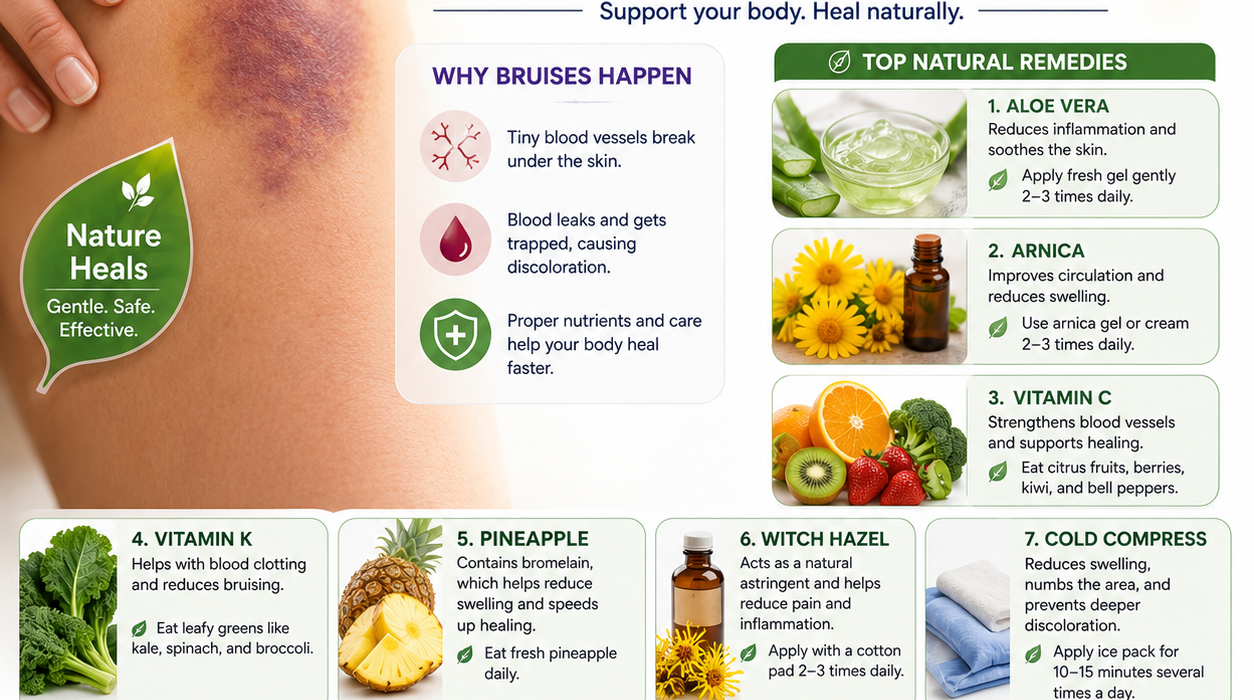
Bruises are common injuries that typically heal naturally over time. Natural remedies can help reduce discoloration, swelling, and speed the healing process.

What Causes Bruising

Bruises result from broken blood vessels beneath the skin that leak blood into surrounding tissues. The color changes as the body processes the blood.

Immediate Care (First 48 Hours)

RICE Method: Rest: Limit activity and elevation, Ice: Apply for 15-20 minutes, several times daily to reduce swelling, Compression: Use elastic bandage to limit swelling, Elevation: Keep injured area above heart level

Natural Remedies

Arnica: Popular herbal remedy for bruises – Use arnica gel or cream topically, Take arnica tablets for internal support, Reduces inflammation and speeds healing

Vitamin K: Essential for proper blood clotting – Apply vitamin K cream topically, Consume vitamin K-rich foods (leafy greens, broccoli)

Bromelain (Pineapple Enzyme): Natural anti-inflammatory – Found in pineapple and supplements, Reduces swelling and speeds recovery

Ginger: Anti-inflammatory properties – Apply ginger-based creams, Consume fresh ginger tea, Reduces pain and inflammation

Turmeric: Contains curcumin for inflammation reduction – Mix with honey to apply topically, Add to foods or take supplements, Accelerates healing process

Onion Extract: Reduces scar formation and bruising – Apply onion-based products topically, Begin treatment early for best results

Vitamin C: Supports collagen formation – Eat citrus fruits, berries, and vegetables, Consider supplements, Strengthens blood vessel walls

Timeline for Healing

  • Days 1-5: Red or purple discoloration
  • Days 5-7: Color shifts to blue or dark purple
  • Days 7-10: Yellow or green appears
  • Days 10-14: Brown discoloration
  • Days 14+: Full disappearance

When to Seek Medical Attention

Contact a doctor if bruises appear without injury, bruising is severe, or swelling limits movement.

CategoriesPharmacy

The Ultimate Guide to Medication: Everything You Need to Know

  The Ultimate Guide to Medication: Everything You Need to Know

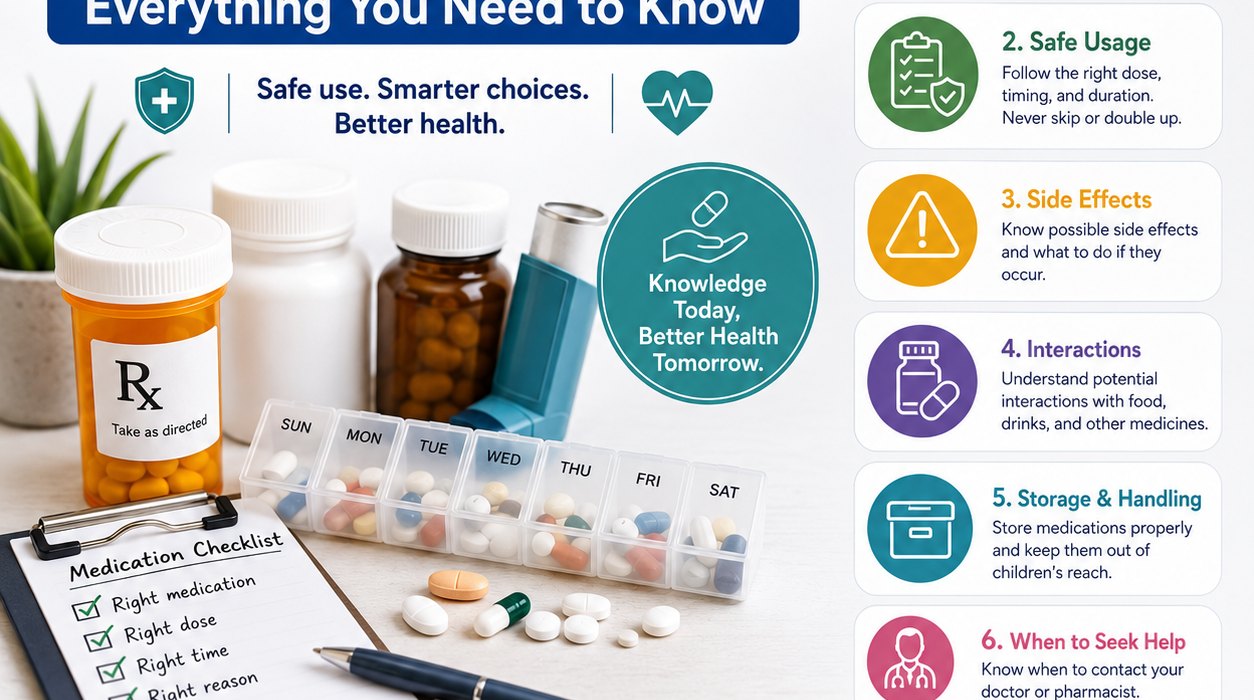
This comprehensive guide covers everything you need to know about medications, from how they work to proper usage and safety considerations.

Types of Medications

Prescription Medications: Approved by healthcare providers for specific conditions.

Over-the-Counter (OTC) Medications: Available without prescription for common minor ailments.

Supplements and Herbal Remedies: Vary in regulation and evidence of effectiveness.

Controlled Substances: Medications with potential for abuse, requiring special handling and monitoring.

How Medications Work

Medications alter body functions through various mechanisms: Replacing missing substances (insulin for diabetes), Blocking or stimulating receptors (antidepressants), Killing harmful organisms (antibiotics), Reducing inflammation (NSAIDs), Preventing unwanted processes (anticoagulants)

Medication Routes of Administration

  • Oral: Tablets, capsules, liquids taken by mouth
  • Topical: Creams, ointments, patches applied to skin
  • Intravenous: Injected directly into veins
  • Intramuscular: Injected into muscles
  • Inhalation: Breathed into lungs
  • Suppository: Inserted into rectum or vagina

Dosage and Timing

  • Take exactly as prescribed
  • Don’t adjust doses without medical guidance
  • Set reminders for consistent timing
  • Know whether to take with food
  • Understand what to do if you miss a dose

Potential Side Effects

Side effects range from minor and temporary to serious. Report unusual symptoms to your healthcare provider promptly.

Drug Interactions

Certain combinations of medications can be dangerous. Keep your healthcare providers informed about everything you’re taking.

Storage and Safety

  • Keep medications in original containers
  • Store away from moisture and heat
  • Keep out of children’s reach
  • Don’t share medications
  • Safely dispose of expired medications

When to Consult Your Pharmacist

  • Starting any new medication
  • Experiencing concerning symptoms
  • Planning pregnancy
  • Before taking supplements
  • When symptoms don’t improve as expected
CategoriesNutrition

Nutrients Needed for Bones and Joints: Complete Nutritional Guide

Nutrients Needed for Bones and Joints: Complete Nutritional Guide

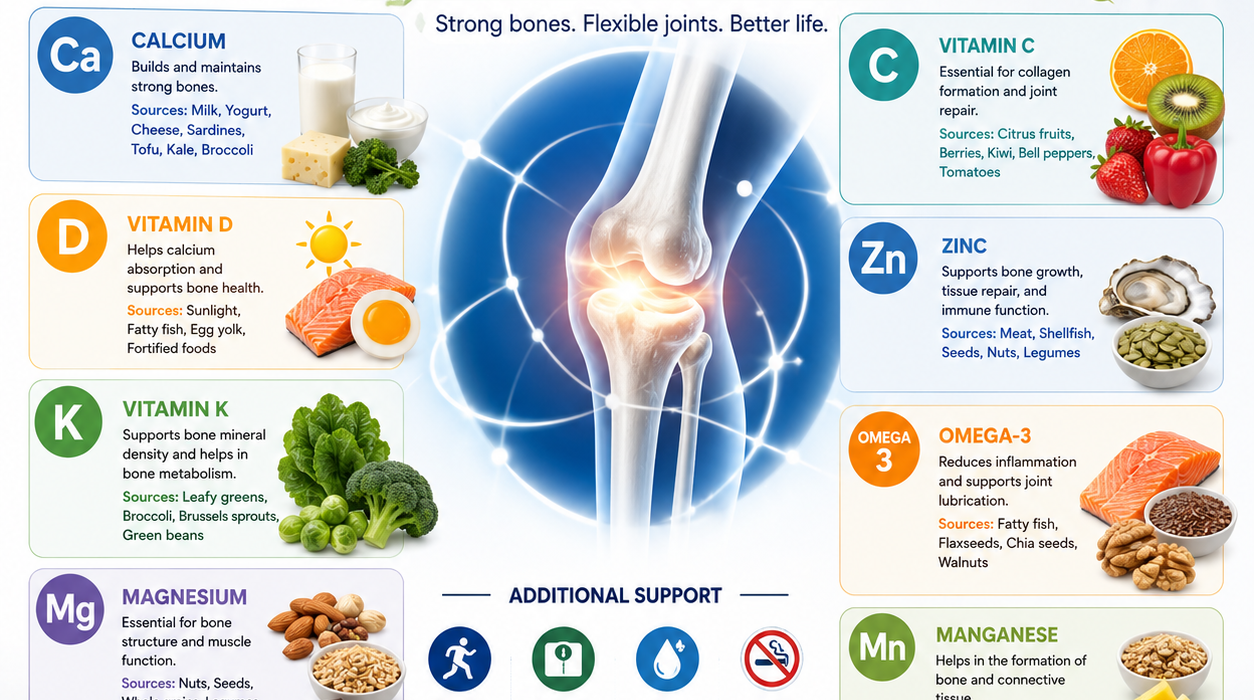
Strong bones and healthy joints require specific nutrients throughout your lifetime. Understanding which nutrients support skeletal health helps you make informed dietary choices.

Essential Nutrients for Bone Health

Calcium: The primary mineral in bones. Adults need 1,000-1,200 mg daily. Sources: Dairy products, leafy greens, fortified foods, almonds, sardines

Vitamin D: Essential for calcium absorption and bone formation. Sources: Sunlight exposure, fatty fish, egg yolks, fortified milk

Magnesium: Supports bone structure and density. Sources: Nuts, seeds, whole grains, leafy greens, legumes

Vitamin K: Activates proteins that bind calcium in bones. Sources: Leafy greens, broccoli, Brussels sprouts, cabbage

Phosphorus: Works with calcium to build bone structure. Sources: Meat, fish, poultry, nuts, seeds

Nutrients for Joint Health

Collagen: Protein that provides joint structure and flexibility. Supporting nutrients: Vitamin C, amino acids

Glucosamine and Chondroitin: Support cartilage health. Sources: Bone broth, supplements

Omega-3 Fatty Acids: Anti-inflammatory properties benefit joints. Sources: Fish, flaxseeds, chia seeds, walnuts

Age-Specific Considerations

  • Children: Adequate nutrients support bone development and growth.
  • Adults: Maintenance of bone density through adequate nutrient intake.
  • Postmenopausal Women: Increased calcium and vitamin D needs due to hormonal changes.
  • Older Adults: Higher nutrient needs to prevent osteoporosis.

Lifestyle Factors

  • Weight-bearing exercises strengthen bones
  • Adequate protein supports joint function
  • Regular movement maintains flexibility
  • Avoid smoking and limit alcohol
  • Maintain healthy weight
CategoriesMedical Testing

The Blood Sample: Understanding Blood Tests and Analysis

The Blood Sample: Understanding Blood Tests and Analysis

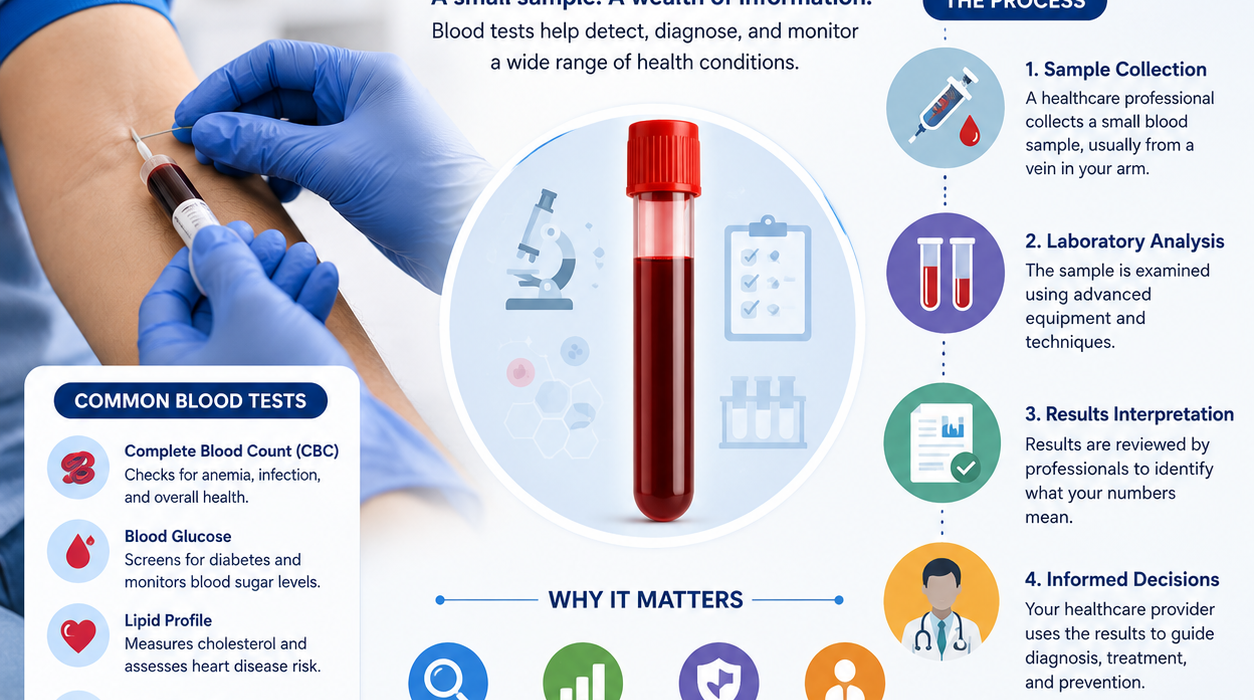
Blood tests are fundamental diagnostic tools in modern medicine, providing crucial information about your health status and detecting potential problems early.

What Blood Tests Reveal

Complete Blood Count (CBC): Measures red blood cells, white blood cells, and platelets to detect infections, anemia, and blood disorders.

Metabolic Panel: Evaluates kidney function, liver function, blood sugar, and electrolytes.

Lipid Panel: Measures cholesterol and triglycerides to assess heart disease risk.

Thyroid Function Tests: TSH and thyroid hormone levels indicate thyroid health.

Blood Glucose Tests: Diagnose or monitor diabetes.

Liver Function Tests: Assess liver health and function.

The Blood Draw Process

Most blood samples are drawn from a vein in the arm using a needle and collection tube. The procedure typically takes minutes and is generally painless.

Sample Analysis

Samples are sent to laboratories where specialized equipment and trained technicians analyze blood components using various testing methods. Results are typically available within 24-48 hours.

Preparation Tips

  • Follow fasting instructions if required
  • Stay hydrated
  • Wear comfortable clothing
  • Arrive well-rested
  • Inform technicians of medications or blood disorders

Understanding Your Results

Normal ranges vary by lab and test. Your healthcare provider will explain results and what they mean for your health.

Preventive Testing

Regular blood work helps establish baseline health values and detect changes early, enabling prompt treatment of developing health issues.

CategoriesHealth

What Should I Do With Stomach Pain? A Comprehensive Guide

What Should I Do With Stomach Pain? A Comprehensive Guide

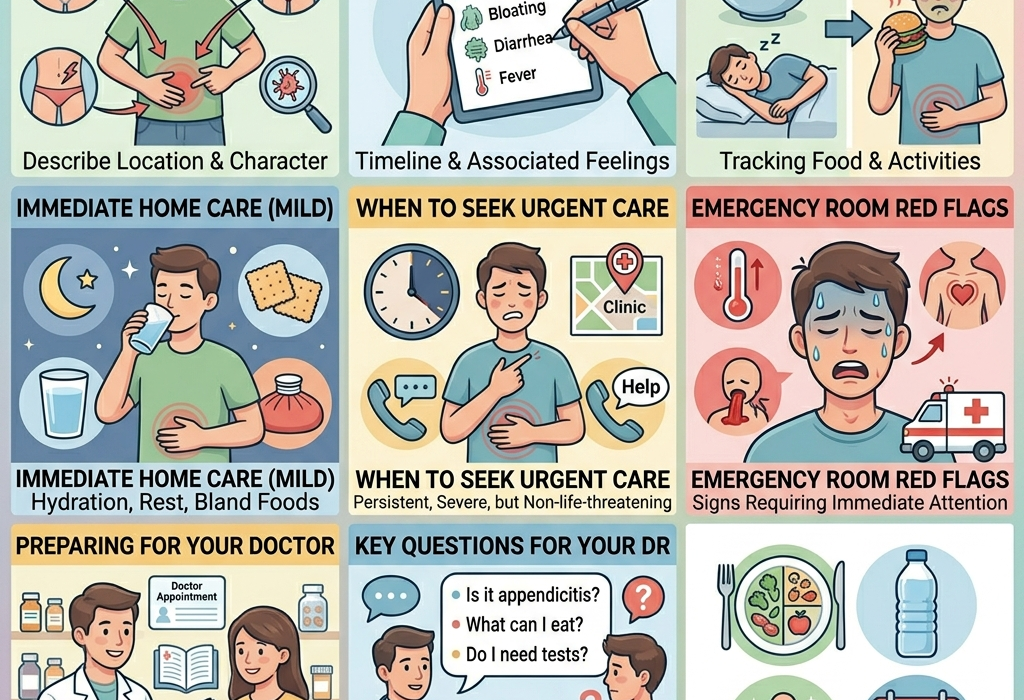
Stomach pain is a common complaint that can range from minor discomfort to a serious medical condition. Understanding when to seek medical attention is essential.

Types of Stomach Pain

Sharp, Sudden Pain: Requires immediate evaluation for appendicitis, perforated ulcer, or other emergencies.

Cramping Pain: Often associated with food poisoning, gas, or menstrual cramps – usually resolves on its own.

Dull, Persistent Pain: May indicate chronic conditions like gastritis, irritable bowel syndrome, or ulcers.

Common Causes

  • Food poisoning or foodborne illness
  • Gastroenteritis (stomach flu)
  • Indigestion or acid reflux
  • Gas and bloating
  • Constipation
  • Lactose intolerance
  • Irritable bowel syndrome (IBS)
  • Appendicitis
  • Gallstones
  • Urinary tract issues

Home Management for Minor Pain

  • Rest and avoid heavy foods
  • Drink clear liquids
  • Use heating pads for cramping
  • Over-the-counter antacids for indigestion
  • Probiotics for digestive support
  • Ginger or peppermint tea

When to Seek Emergency Care

Call 911 if experiencing:

  • Severe, sudden pain
  • Vomiting blood
  • Bloody stools
  • Severe fever
  • Rigid, board-like abdomen
  • Pain following trauma

Preventive Measures

  • Eat slowly and chew thoroughly
  • Avoid trigger foods
  • Stay hydrated
  • Manage stress
  • Regular exercise
  • Limit fatty and spicy foods
CategoriesPharmacy

Things to Keep in Mind When Choosing Your Medications

Things to Keep in Mind When Choosing Your Medications

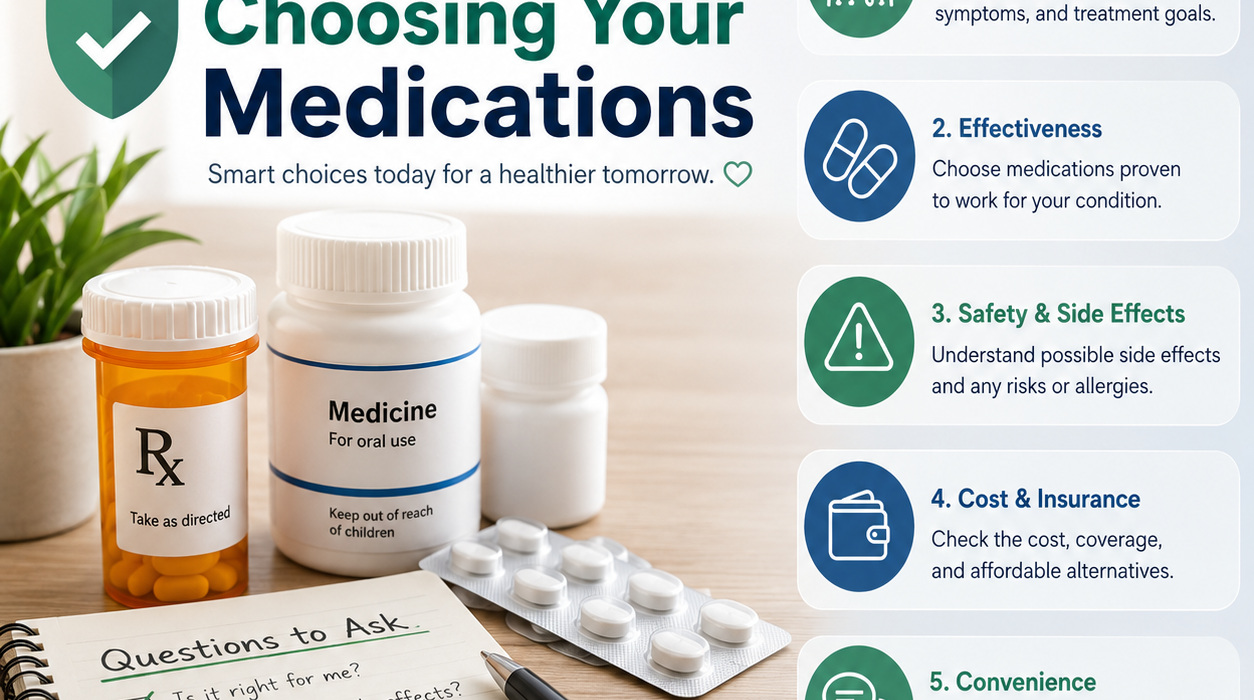
Selecting the right medication requires careful consideration of multiple factors. Making informed choices about your medications leads to better health outcomes.

Generic vs. Brand Name

Generic medications contain the same active ingredients as brand-name versions and cost significantly less. The FDA requires generics to be bioequivalent to brand-name drugs.

Understanding Side Effects

All medications can cause side effects. Discuss potential side effects with your pharmacist and know which ones require medical attention versus those that typically resolve.

Drug Interactions

Inform your healthcare provider and pharmacist about all medications, supplements, and herbal products you take. Some combinations can be dangerous.

Cost Considerations

  • Check your insurance coverage
  • Ask about generic alternatives
  • Look for manufacturer discounts or programs
  • Compare prices at different pharmacies
  • Ask about therapeutic alternatives

Timing and Administration

  • Take medications exactly as prescribed
  • Understand whether to take with food or on an empty stomach
  • Know any timing restrictions between doses
  • Set reminders if you have multiple medications

Special Populations

  • Pregnant or nursing women may need different medications
  • Elderly patients often require dose adjustments
  • Those with liver or kidney disease need special consideration

Questions to Ask Your Pharmacist

  • How long will it take to feel effects?
  • What should I do if I miss a dose?
  • Are there foods or supplements to avoid?
  • What are warning signs of serious side effects?
Select the fields to be shown. Others will be hidden. Drag and drop to rearrange the order.
  • Image
  • SKU
  • Rating
  • Price
  • Stock
  • Availability
  • Add to cart
  • Description
  • Content
  • Weight
  • Dimensions
  • Additional information
Click outside to hide the comparison bar
Compare
Add to cart